
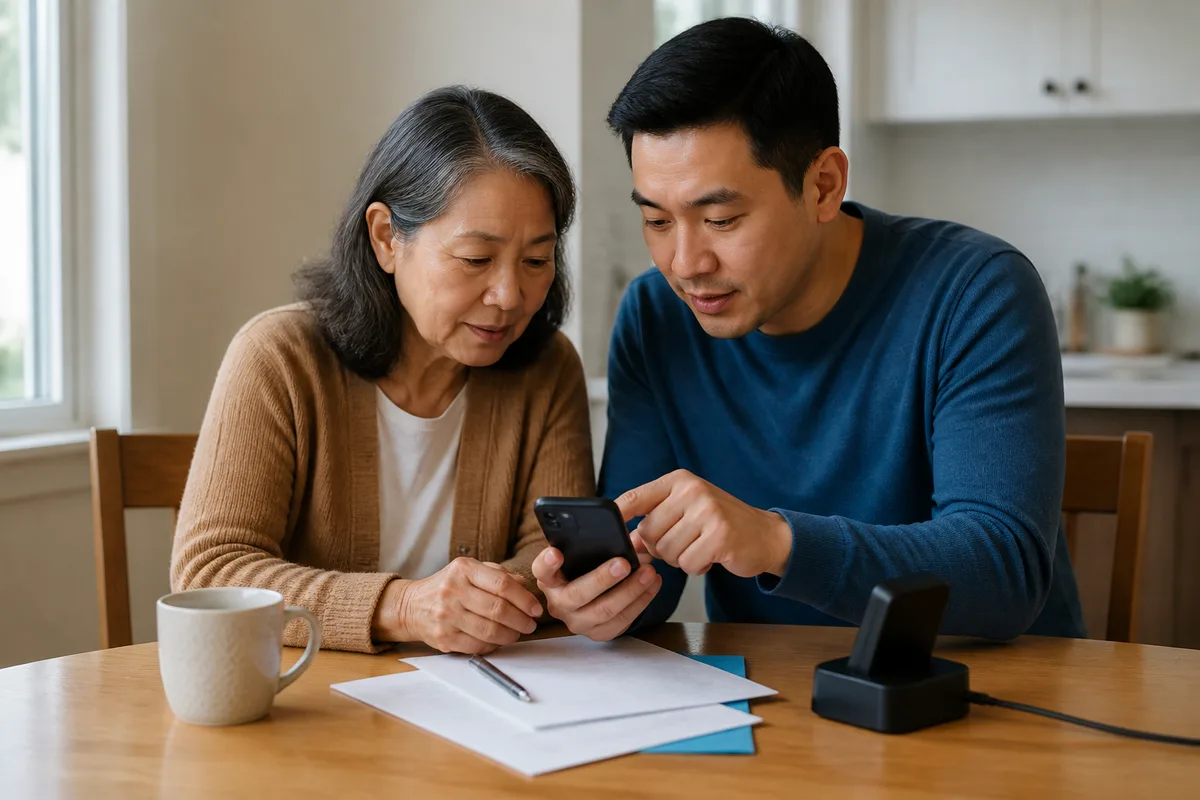
Unwanted calls can be irritating for anyone. For someone who finds it difficult to judge an unfamiliar caller, they can also create anxiety and risk. The answer should not be to cut the person off from ordinary conversation. It is to make trusted contact easier while reducing avoidable interruptions.
Start with the existing number
Ask the mobile or landline provider which call-blocking services are available. Register eligible UK numbers with the Telephone Preference Service and report suspicious activity through the appropriate official channels. Never give remote access, banking details or security codes to an unexpected caller.
Family members can help review recent calls, but do so openly and with permission. Quietly taking control of someone’s communication can damage trust.
Consider an allow-list approach
Some phones and services can restrict incoming calls to known numbers. This is often called whitelisting or an allow list. It can be useful when unwanted calls are persistent, but it requires maintenance.
Before enabling it, list everyone who may legitimately call: close family, friends, neighbours, carers, a GP practice, pharmacy, transport service or monitoring centre. Consider numbers that may appear differently when an organisation calls back.
OwnFone offers incoming-call whitelisting as an available setup option. Discuss the correct contact list with the team and the person using the handset. See OwnFone for families for the broader approach.
Keep the explanation simple
Agree one response to an unexpected caller: end the call and contact a trusted person using their familiar button. Avoid complicated scripts. Reassure the person that it is always acceptable to hang up.
Place official support information near the phone, but never write down passwords or PINs. If scams are a concern, use current guidance from recognised organisations and the person’s bank or phone provider.
Review after changes
Test calls from every trusted number. Check whether voicemail, withheld numbers or organisational switchboards affect the setup. Review the list whenever a family number changes or a new care service begins.
The right arrangement keeps the door open to wanted conversation. Safety features should make calling feel calmer, not make the person afraid to answer.